
Where have all the pubs gone
The Red Lion - Late 17C
The Red Lion
The history and site of the Red Lion Pub spans nearly 2,000 years beginning with Roman Tabernae and envolving into the modern public house.
The Roman army brought wine shops and resting places called tabernae to Britain along with newly built roads. Locals adapted these spaces to serve native ale leading to the word tavern.
After the Romans left home-brewed ale became central to communities like Chinnor. Women often brewed ale at home and opened their living rooms to neighbours creating early alehouses. There was one such place open in the High Street Chinnor.
The Red Lion pub today is a thriving hostalry found on the corner of the High Street and Lower Road in Chinnor. It is believed the pub to be late 17th century. It was originally formed from a row of 3 period cottages with many of its original building features still in place, including wooden beams and low ceilings.
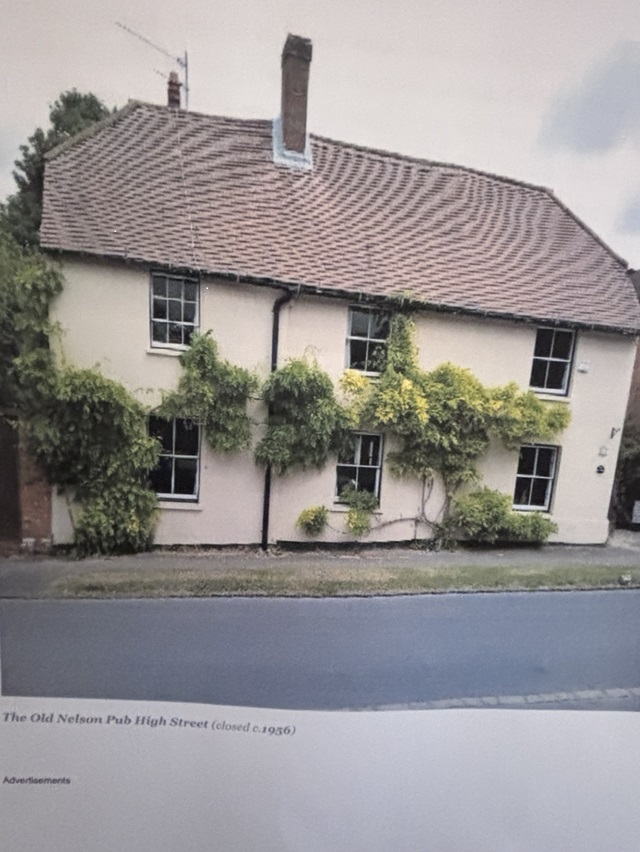
The Nelson
The Nelson was situated on the High Street. This pub closed in the 1957s and sold as a complete package for about £1,000 and it is now used as a private house called The Old Nelson
The last landlords of this pub were Gwen and Des Ginger. My parents, Gwen and Des were there from sabout 1953 to 1956, when it was sold as a house. Deborah Luker remembers her grandparents who lived over the road in the High Street. Their name was Bass and they were Uncle and Aunt to Mary Lacey who were the landlords before Deborahs parents Gwen and Des. The Laceys eventurally moved to Gillingham in Kent.
My Grandmother Mary Lacey was landlady of the Nelson Pub probably around the last years of WW2 and shortly thereafter. So she was one of the last, given that the pub closed in 1957.
She was born Mary Bass and was one of 8 children born in Chinnor. My mother had a lasting memory of the pub that she told me about several times. She hated to cook and really was not very good at it. One night a Patron asked her for hot chocolate. She made it (don't think thety had instant in those days) and was told that she was a 'bonnie wee cook'. She never forgot it.
My Grandad Geoff Lacey caught regular flack from Gran until his dying day becasue during their Tenure he spent most of his time playing dominoes and was definitely not landlord material in her opinion.
(Linda Russell July 2014)
The Bird in Hand
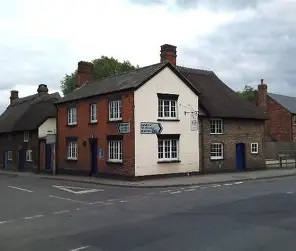
The Bird in Hand was a small but well‑loved public house on the corner of Lower Road and Station Road. It closed in 2000, with the last publican being Graham Cockell
The pub was a community hub from at least the 1970s. In the early 1970s, Pete Elliott, a customs officer from Dartford, was a popular landlord. Known for his amiable nature, he also played guitar and sang country and western, sometimes performing at the Chinnor Village Hall. Regulars included Frank Angel, Marcus Cann, and Cyril Perry, who were also key figures in local sports.
The Bird in Hand was the headquarters of the Chinnor Rugby Club, founded on 21 October 1962 at the pub by Angel, Perry, and Cann Teams met there before matches at Whites Field, and later at Bledlow Cricket Club and Towersey playing fields. The pub’s “big heart” made it a welcoming place for locals, with Saturday nights often filled with music, games, and socialising
When the pub closed, the landlord bequeathed the original sign to Chinnor RFC Thame, which now hangs behind the Members’ Bar in the club’s clubhouse. The club has even renamed its marquee “The Bird in Hand” to honour its heritage. The pub’s history is also part of the club’s identity — when Chinnor RFC moved to Towersey in 1973, it took a chair from the Bird as a keepsake
The Royal Oak
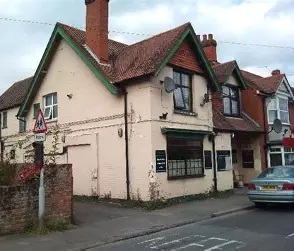
The Royal Oak was a long‑established public house in Chinnor, located at 49 Lower Road It was one of several historic pubs in the village, many of which date back centuries and served as social hubs, meeting places, and sometimes lodging for travellers
Historical maps and local records show that the Royal Oak was already in existence by the late 18th century. A 1797 map of Chinnor records the Royal Oak alongside other local features such as a smithy, Lower Farm, and a school in Lower Road. This places its origins well before the 19th century, aligning with the pattern of many Chinnor pubs emerging from earlier domestic or small‑scale public houses.
Like other Chinnor pubs of the 19th and early 20th centuries, the Royal Oak would have provided beer, food, and a social space for locals. In the pre‑amalgamation era, Chinnor had a lively pub scene, with several local breweries and a tradition of pub‑based social life The Royal Oak’s position on Lower Road, near the village’s main thoroughfares, made it accessible to both villagers and travellers.
The Royal Oak remained in operation for many decades, with its last recorded publican being John Fraser It closed in August 2011, ending its long history as a public house The building has since been converted into flats, and is no longer available for public use
The Black Boy
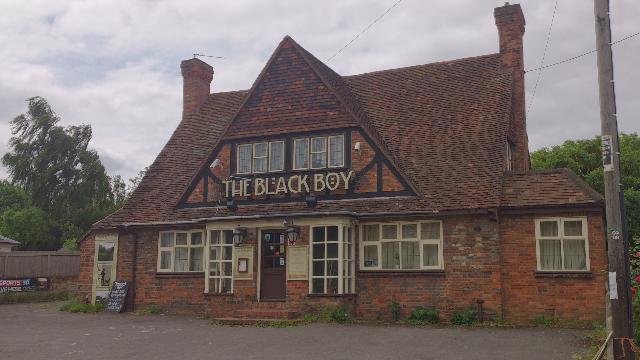
The Black Boy was a well‑known pub in Chinnor, Oxfordshire, located at 38 Station Road. It closed in 2013, with the last publican recorded as Beric Rayner.
Chairmakers Arms
The Chairmakers Arms was one of Chinnor’s historic village pubs, located at 19 High Street. It is now a private residence, but its name and function reflect the local trade and social life of the area.
The Chairmakers Arms was thought to have been a pub catering to the “bodgers” — local woodworkers who brought turned chair legs made in the woods to the chairmaker operating on the site. This suggests it was closely tied to the village’s carpentry and chair‑making trade, providing a meeting place and refreshment for workers and their customers.
The pub’s name, “Chairmakers Arms,” directly reflects this connection, and it is believed to have been situated on the site of what is now a private house
In the late 1800s, Chinnor had over a dozen pubs in the village, many dating back centuries, often in converted houses. The Chairmakers Arms was one of these, alongside others like the Nelson, Royal Oak, and Unicorn
Chairmakers closed by around 1900
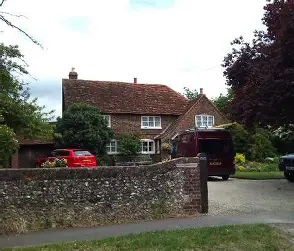
The Unicorn
The Unicorn was one of Chinnor’s historic village pubs, located on Lower Icknield Way, near the corner with the High Street. It was one of several original pubs in the area, many of which date back centuries, and was part of a network that once included over a dozen public houses in the village itself at the turn of the 20th century
The Unicorn stood immediately opposite the Red Lion on the east side of the High Street, close to what is now the Chinnor Bupil Indian Restaurant Like many older Chinnor pubs, it was originally a simple public house, likely a converted room in a private house, serving as a meeting place and refreshment point for the local community
The pub’s history is tied to the broader decline of traditional village pubs in the 20th century. By the late 19th century, many Chinnor pubs had closed or merged, and the Unicorn was among those that disappeared in the late.
After the Unicorn closed, the site was no longer used as a public house. Today, the building is known as Unicorn Cottage, a private residence. No detailed records of its exact closure date or final use as a pub have been published, but its disappearance aligns with the pattern of many Chinnor pubs being lost to housing or other uses in the late Victorian and Edwardian eras.
The Unicorn’s story reflects the wider history of Chinnor’s pub life: a once-thriving network of local drinking and social hubs, many of which have since vanished, leaving only a few survivors such as the Red Lion. Its name and location remain part of the village’s heritage, remembered through local historical records and heritage groups.
In summary: The Unicorn pub in Chinnor was a historic village pub on Lower Icknield Way, active in the 19th century, but closed in the late 1800s. The building now serves as a private home, and its legacy is preserved in local heritage accounts.
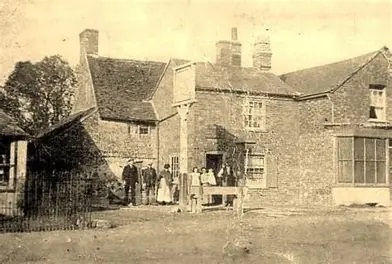
The Crown
The Crown is a 17th‑century pub full of character located in the heart of Chinnor at the foot of the Chiltern Hills. It was originally constructed in the 1600s, though the exact year of its first construction is not recorded in the available sources.
Over the centuries, like many traditional English pubs, The Crown has undergone alterations, extensions, and refurbishments, but its original structure dates back to the 17th century
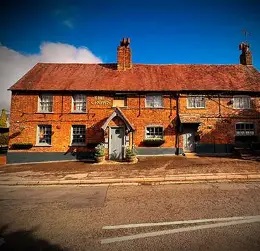
The Kings Head
The King’s Head was a well‑known pub in Chinnor, located on Station Road and affectionately nicknamed “The Hole‑in‑the‑Wall” by locals. It closed in September 2012, with Dodge Clark as its last licensee.
Situated on Station Road, the Kings Head was one of several historic pubs in the village.. The Kings Head, like others, served as a social hub for the community, offering ale, food, and a place for locals and visitors to meet.
Ivan Wright was listed as the pub’s publican in the 1939 Kelly’s Directory
Jack and Ena Sullivan were recorded as licensees during the 1950s–1959 period, with local residents recalling their tenure
Other local memories include visits from residents such as Hugh Forbes, who noted staying there during family visits in the 1950s The pub’s closure in 2012 marked the end of a long local tradition. While the building’s current use is not specified in the available records, the Kings Head remains part of Chinnor’s pub heritage remembered for its community role and the personal stories of its licensees and patrons.
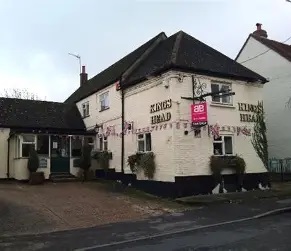
The Wheatsheaf
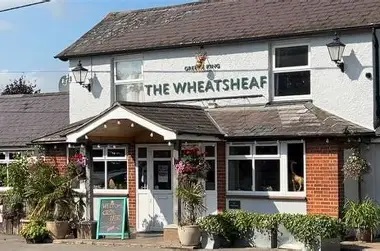
The Wheatsheaf Pub in Chinnor is a long‑established village pub with roots stretching back at least to the 19th century, and possibly earlier. It is located on Oakley Road in the former hamlet of Oakley, which was merged into Chinnor in the mid‑1970s
While exact founding dates are not recorded in surviving trade directories, the pub is described as a 19th‑century establishment. Like many rural pubs of its era, it originally served as a meeting place and refreshment point for the local community, catering to both men and women, and possibly offering accommodation to travellers .The name “Wheatsheaf” was common in rural England, often linked to agricultural themes and the local economy.
Records for the late 1930s list Chas. H. Burkett as the publican showing the pub’s continuity through at least that period.
The Eagle
While The Eagle’s exact founding date is not recorded, it has been a functioning pub in Chinnor for at least 80 years
The Eagle located in Hempton, Chinnor, has a documented pub history dating back at least to the 1930s, with records of its landlord and local role in the community
In 1939 The Eagle was licensed by Clifford Geo Folley. This confirms its continued operation into the late 1930s, though earlier origins are not explicitly recorded in the available sources.
No past images of The Eagle were found.
The Plough and Harrow
The Plough & Harrow in Chinnor, is a pub with deep local roots, tied to the village’s agricultural and social history. While detailed local records are scarce, the name itself reflects the farming heritage of the area “plough” and “harrow” being traditional agricultural implements and suggests a venue that catered to the rural community’s needs.
The Plough & Harrow is believed to have been an 18th‑century alehouse serving the local farming community. Like many rural pubs, it would have been a meeting place for villagers, a spot for refreshment, and possibly a place to stay overnight for travellers. In the 19th and early 20th centuries, Chinnor had a cluster of pubs around the village square, many of which were small, locally brewed establishments. The Plough & Harrow’s name and function fit this pattern.
William King was the publican in 1939, This suggests the pub was still in operation in the late 1930s, serving local patrons and possibly accommodating lodgers, as was common in rural inns.
The Plough & Harrow in Chinnor is no longer a pub. It has been converted into private housing
No past images of The Plough and Harrow were found.